Understanding Véraison: The Turning Point in Grape Ripening
Véraison is a crucial stage in the grapevine's development and a key indicator for winemakers and viticulturists. The term, derived from French, translates to "the beginning of ripening" and marks the moment when grapes start to change color and soften, signaling the onset of the ripening process.
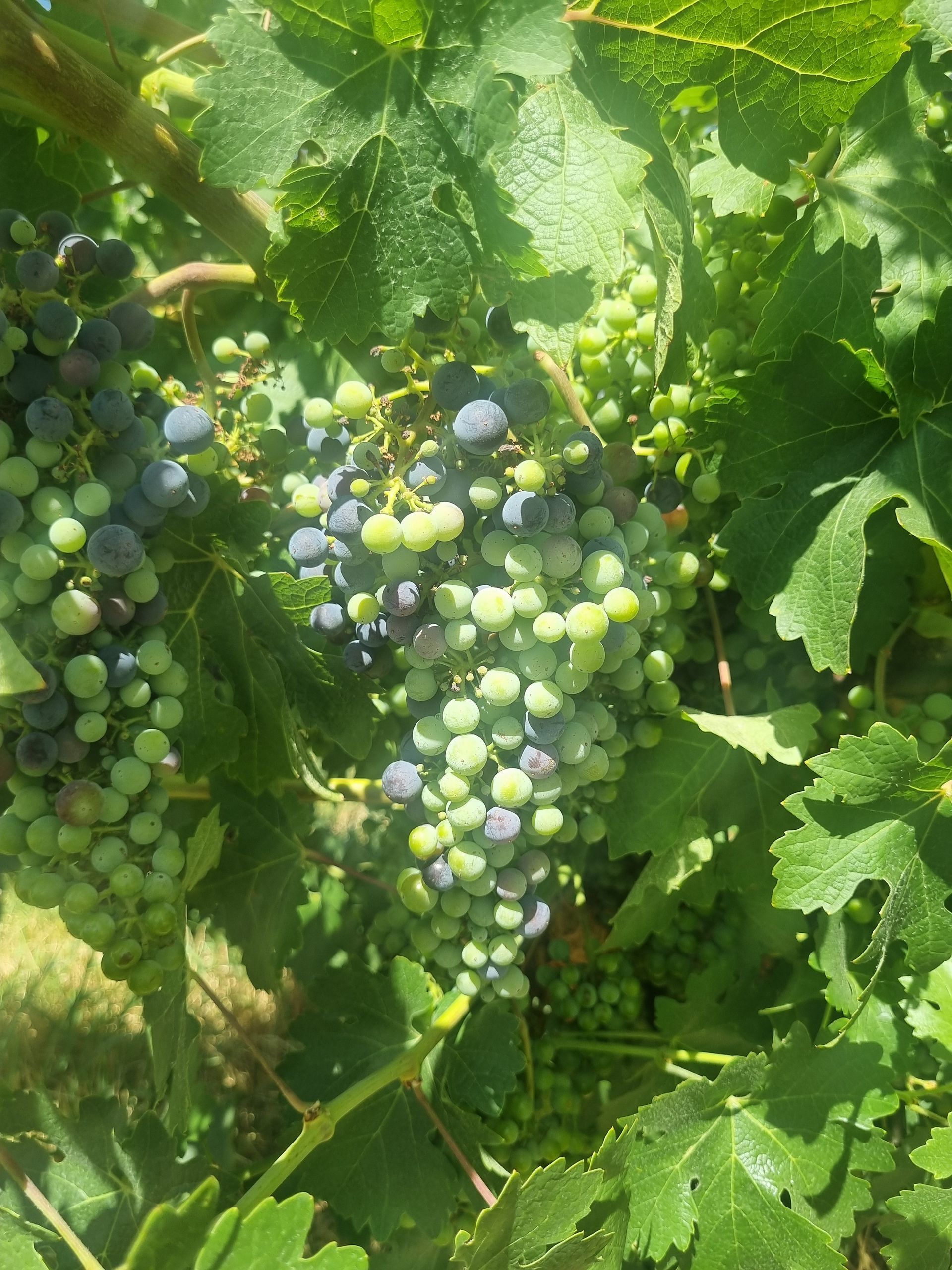
What Is Véraison? Understanding the Grape Ripening Stage in Viticulture
Véraison is one of the most important stages in the grape growing cycle. It marks the point when grapes begin to ripen, transitioning from hard, green berries into fruit capable of producing flavourful, balanced wine. For vineyard managers and winemakers alike, understanding véraison is critical to producing high-quality wine.
In this guide, we’ll explain what happens during véraison, why it matters, and how it’s monitored in vineyards.
What Happens During Véraison?
Véraison signals the start of grape maturation. During this phase, several physical and chemical changes occur within the grape:
Colour Change in Grapes
Red and black grape varieties begin changing colour from green to red, purple, or black as anthocyanins develop. White grape varieties remain green but start building aromatic complexity.
Texture Softening
As grapes ripen, they soften due to increased sugar accumulation and a gradual reduction in acidity.
Chemical Changes in Grape Composition
Key chemical shifts take place during véraison, including:
- Increased sugar concentration
- Decreasing acidity levels
- Development of flavour, aroma, and tannin compounds
These changes are essential in defining the eventual taste, structure, and balance of the wine.
Why Is Véraison Important for Winemaking?
Véraison plays a crucial role in both vineyard management and winemaking decisions. It is important because it:
- Signals the beginning of harvest planning
- Influences irrigation and canopy management strategies
- Helps guide pest and disease control timing
- Directly affects wine flavour, aroma, sweetness, and tannin structure
The timing and progression of véraison can vary depending on grape variety, climate, and vineyard conditions, making close observation essential.
How Do Winemakers Monitor Véraison?
Véraison is monitored through a combination of visual observation and grape sampling. Vineyard teams typically assess:
- Grape colour development
- Berry softness and texture
- Sugar levels (measured in Baumé)
- Acid content
Accurate monitoring ensures grapes reach optimal ripeness, helping winemakers determine the ideal harvest window and desired wine style.
Why Timing Véraison Matters
Harvesting too early or too late can significantly impact wine quality. Properly timed véraison management allows winemakers to achieve balance between sugar, acidity, and flavour — a key factor in producing expressive, terroir-driven wines.
Final Thoughts on Véraison
Véraison is a defining milestone in the viticultural calendar, marking the beginning of grape ripening. When carefully monitored and managed, it sets the foundation for wines with balanced flavours, vibrant aromas, and refined textures that reflect the character of the vineyard.